

Need Help? Call Us On 0161 776 9832 For Expert Pest Control Advice On How To Identify Pest Infestations And Help Solve Your Pest Problem.
Professional Manchester Mole Trapping Services
 The normal habits of moles can make then damaging pests when they move into an area. This is particularly so if they set up a territory below landscaped grounds and they are capable of creating quite a bit of devastation to lawns, flower beds, and other areas. Anyone that finds this little underground animal has taken up residence around their property will need to use some form of Manchester mole trapping or control to get rid of them. The best chance of successfully doing this comes with hiring a professional that has an understanding of mole behaviour and Young’s Pest Control is a company that can provide this.
Mole Information
The common garden mole will typically grow to around 15cm long as an adult, is usually slate-grey to brown in colour, and has front feet adapted for digging to suit its underground lifestyle. Moles will typically claim an area of ground for their territory and remain solitary apart from seeking out a mate during the breeding season. They will continually tunnel to extend their territory, with this including a deeper burrow system for moving around and feeding tunnels closer to the surface. This digging activity is what causes the problems, with Manchester mole trapping the only real way to stop it.
Signs to Look Out For
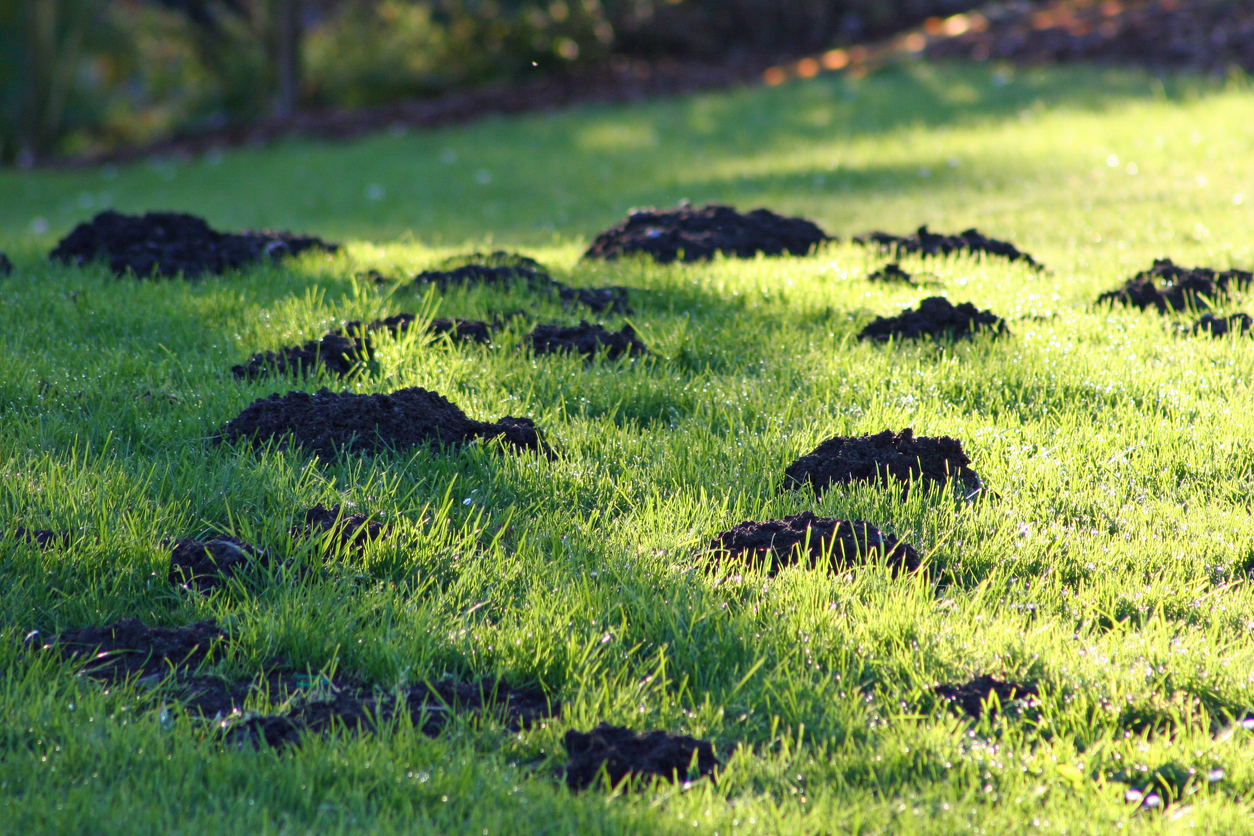 It will generally become obvious fairly quickly if moles have moved into an area, with indications of their activity not difficult to spot. Molehills are the most evident sign, with moles capable of creating up to six of these in a 24 hour period. This is the waste material from their tunnel digging and creates an unsightly pile of dirt, especially on lawns. Because their feeding tunnels are burrowed close to the surface, they can push up the ground above to create what are known as mole ridges and these can occasionally break through. If you notice these signs, Manchester mole trapping and control will likely be required to rid the pest from an area.
Mole Pest Control
Once the signs are spotted, it is important to get Manchester mole trapping measures in place as quickly as possible. The longer it is left, the greater the size of the burrow complex a mole can create and the more difficult it can be to trap. It can be especially difficult for those with no understanding of mole behaviour and employing a professional mole pest control operative can pay dividends. They have the expertise and knowledge that allows them to inspect a mole’s territory and tailor a plan that will quickly trap the animal. This limits the damage it can do and the mole trapping experts at Young’s Pest Control are available at all times to assist customers.