
24 Hour Pest Control
We Cover The Whole Of Cheshire, Greater Manchester And Merseyside. For All Your Pest Related Problems
Give Us A Call On:
24 Hour Pest Control
We Cover The Whole Of Cheshire, Greater Manchester And Merseyside. For All Your Pest Related Problem.
Give Us A Call On:
Youngs Pest Control
Need Help? Call Us On 0161 776 9832 For Expert Pest Control Advice On How To Identify Pest Infestations And Help Solve Your Pest Problem.
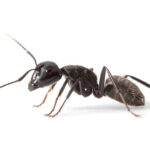
Ant
Treatment
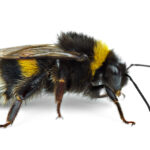
Bee
Removal
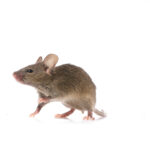
Mice
Treatment

Rat
Treatment
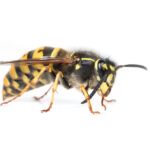
Wasp
Treatments
Youngs Pest Control
Need Help? Call Us On 0161 776 9832 For Expert Pest Control Advice On How To Identify Pest Infestations And Help Solve Your Pest Problem.
Ant
Treatment
Bee
Removal
Mice
Treatment
Rat
Treatment
Wasp
Treatments
Find A Local Pest Control Expert
Remember we cover the whole of Cheshire, Greater Manchester and Merseyside for all your pest related problems give us a call.
Youngs Pest Control
Need Help? Call Us On 0161 776 9832 For Expert Pest Control Advice On How To Identify Pest Infestations And Help Solve Your Pest Problem.
24/7 EMERGENCY RESPONSE
30 - 90 MINUTE FAST RESPONSE
OVER 20 YEARS EXPERIENCE
PROFESSIONAL & SPECIALIST QUALIFICATIONS
NPTA MEMBER
DISCREET, UNMARKED VANS
DOMESTIC, COMMERCIAL & AGRICULTURAL
TREATMENT OF ALL TYPES OF PESTS
FAMILY RUN BUSINESS
FULLY QUALIFIED
24-Hour Pest Control Services
Young's Pest Control: Keeping Your Home and Workplace Pest-free
As experts in pest control in Manchester, we offer localised, 24-hour pest control Manchester services for professional solutions to commercial, residential, agricultural, and residential pest problems.
You can reach us any time of the day and night and on any day of the week for a quick and lasting solution to your pest problem. At the moment, we cover Manchester, Liverpool, Warrington, Oldham, Stockport, and Bolton areas.
We are fully insured, and our staff have undergone intensive and extensive training in pest removal and control. Our services are customer-centred and second to none. In addition, our pest control technicians are skilled and experienced, making them experts in various pest control Manchester methods. They will be able to pick a method that solves your specific problem.
Why You Should Use Our Pest Control Company

Do-it-yourself remedies for pest control in Manchester
achieve very low success rates and pose great risks to amateur practitioners and are therefore not recommended. Similarly, some pest control companies may not give a permanent solution to your pest problem.
As professionals in pest control, our experts achieve high success rates, resolve pest problems, and can deal with infestations without posing any risk to themselves or any other person in the vicinity. Pest control should be a preserve of skilled professionals who understand it and not amateurs. When you engage our expert services, you can always be sure that you are in safe hands. We boast of a network of pest control services with branches across various localities, predominantly in Merseyside, Greater Manchester, and Cheshire.
If you experience any pest problems in Manchester, we can come to your rescue. We will provide a professional and lasting solution to any pest problem you may have. We are way ahead of other pest control companies in the region.